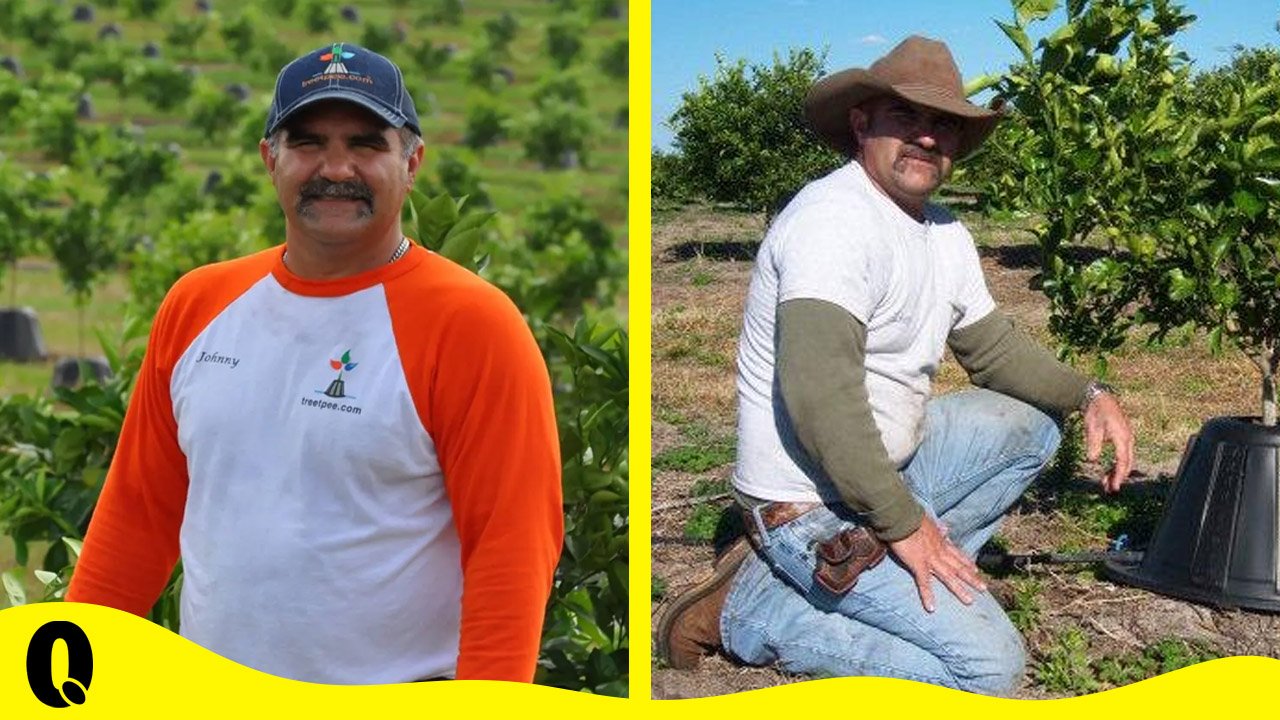
Tree T-Pee net worth is one of the most searched topics among Shark Tank fans, and for good reason. The company started as a small Florida farming solution and turned into one of the show’s most talked-about success stories. Founder Johnny Georges built a simple cone-shaped device to help farmers save water and protect young trees. His emotional pitch in 2013 caught the attention of millions of viewers and changed the course of his business. This article breaks down the real numbers behind Tree T-Pee’s value, its growth after Shark Tank, and what the company looks like today.
What Is Tree T-Pee?
Tree T-Pee is a cone-shaped irrigation tool made from recycled plastic. Farmers place it around the base of young trees to direct water straight to the roots instead of letting it evaporate or run off. The product also shields trees from frost damage, which makes it especially useful for citrus growers in cold snaps.
Johnny Georges launched the business in 2005 through his company, GSI Supply, Inc. His father, Rick Georges, had spent decades working in irrigation and citrus farming, and that family background shaped the invention. The idea was never about flashy technology. It solved a real problem for real farmers.
The Shark Tank Pitch That Changed Everything
Johnny Georges appeared on Shark Tank Season 5 in November 2013. He asked for $150,000 in exchange for 20% equity, which valued his company at $750,000 at the time. His pitch stood out because he focused on helping farmers rather than chasing big profits.
He told the Sharks that each unit cost $2.95 to make and sold for just $4.50, leaving a thin profit margin. Kevin O’Leary, Mark Cuban, and Barbara Corcoran passed on the deal because they felt the margins were too low to scale. John Paul DeJoria, co-founder of Patron Tequila and Paul Mitchell hair products, saw things differently. He offered the full $150,000 for 20% equity, and Georges accepted on the spot.
So, What Is Tree T-Pee’s Net Worth Today?
This is where the story gets complicated. Many websites claim Tree T-Pee is worth over $100 million today, but that number traces back to unverified estimates rather than official financial records. Since Tree T-Pee is a privately held company, it does not publish revenue reports, tax filings, or audited statements, so no one outside the company knows the exact figure.
More grounded estimates place the company’s value between $3 million and $10 million based on steady niche sales and modest year-over-year growth. Some industry sources report annual revenue near $5 million, which would make a $100 million valuation unusually high for a small agricultural product business. The honest answer is that Tree T-Pee has grown significantly since its $750,000 valuation on Shark Tank, but the widely repeated $100 million figure lacks solid proof.

How the Business Grew After the Show
The exposure from Shark Tank gave Tree T-Pee instant national attention. Johnny Georges received about 56,000 emails and letters from customers after the episode aired, which shows how much the pitch resonated with viewers. That response helped push the product beyond its original five-county territory in Florida.
DeJoria’s involvement brought more than money. His experience building consumer brands helped Tree T-Pee expand into Home Depot stores in Florida and reach international markets, including parts of Europe, Australia, and the Middle East. The product price also increased over time, from $4.50 per unit to around $9.95, which likely improved profit margins compared to the slim numbers Georges described on the show.
Is Tree T-Pee Still in Business?
Yes, Tree T-Pee is still active as of 2026. The official company website remains updated, lists current product information, and provides a phone number for direct orders. The company also maintains educational content explaining how the product helps with water conservation, frost protection, and tree growth.
Social media activity has slowed since 2017 on some platforms, which led some people to question whether the business closed. However, agricultural companies often rely more on direct farmer relationships, distributor networks, and phone orders than on social media marketing. Georges continues to run the company, and it still serves both individual homeowners and commercial farms.
Why the Net Worth Numbers Vary So Much
Private companies rarely share exact financial details, which leaves room for websites to publish different estimates. Some sites repeat the $100 million figure without citing a primary source, while others calculate more conservative numbers based on visible signals like product pricing, market size, and typical growth rates for small agricultural businesses.
A fair way to look at it is this: Tree T-Pee grew from a $750,000 valuation into a multi-million dollar business, and it may be worth considerably more depending on factors like patents, distribution deals, and brand value. Readers should treat any specific number as an estimate rather than a confirmed fact.
Conclusion
Tree T-Pee’s journey from a backyard invention to an internationally distributed product is a genuine Shark Tank success story. While exact net worth figures remain unconfirmed, the company has clearly grown well beyond its original $750,000 valuation, and it continues operating today under Johnny Georges’ leadership.
Frequently Asked Questions
What is Tree T-Pee’s net worth in 2026?
No official figure exists since the company is private. Estimates range from $3 million to over $100 million, though the higher number lacks a verified source.
Did Tree T-Pee get a deal on Shark Tank?
Yes. John Paul DeJoria offered $150,000 for 20% equity, and Johnny Georges accepted the deal.
Is Tree T-Pee still in business today?
Yes, the company remains active, sells products online and through distributors, and continues to update its official website.
Who founded Tree T-Pee?
Johnny Georges founded the company in 2005 through GSI Supply, Inc., building on irrigation ideas from his father, Rick Georges.
How much did Tree T-Pee cost to make versus sell for?
During the Shark Tank pitch, each unit cost $2.95 to produce and sold for $4.50. The price has since risen to around $9.95 per unit.